
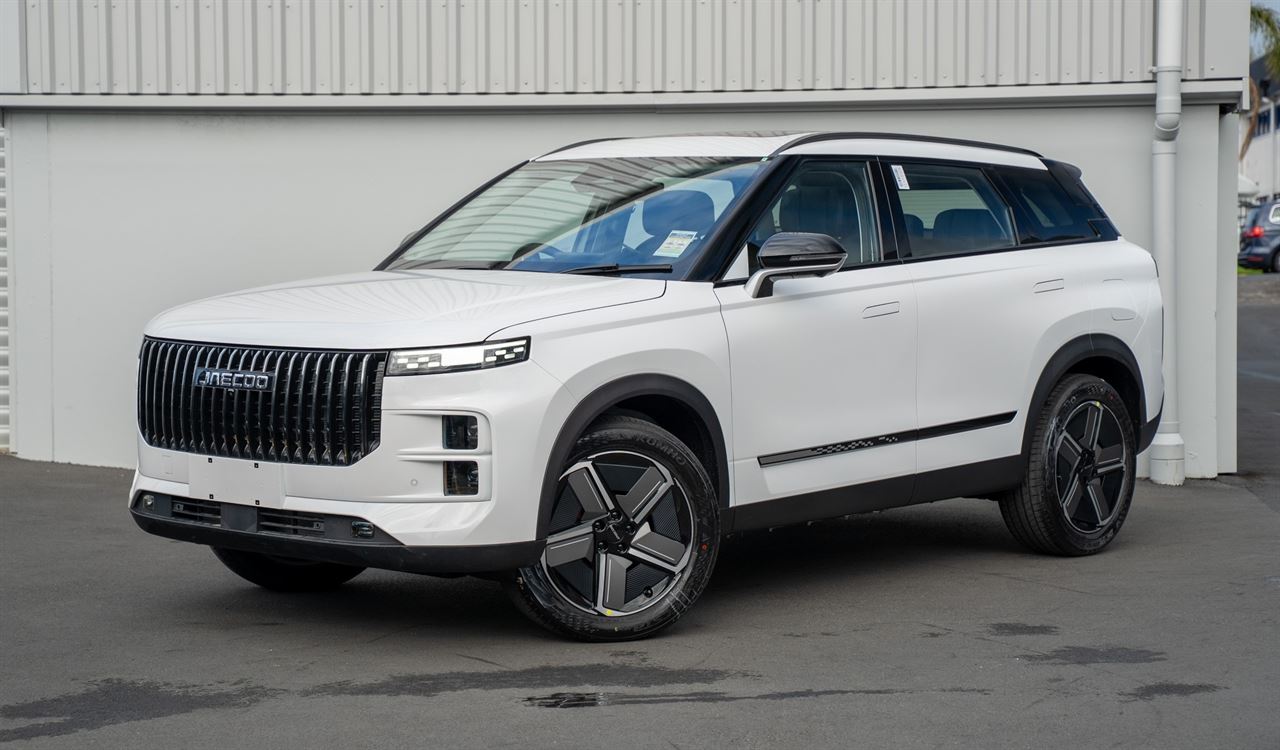
The first quarter of 2026 has offered a clear snapshot of shifting consumer preferences in the automotive world. From compact city cars to electrified SUVs, the latest sales patterns reveal how innovation, affordability, and sustainability continue to shape buying decisions.
One of the most noticeable trends is the sustained rise of electric vehicles (EVs). More drivers are transitioning toward fully electric options, driven by improved charging infrastructure and broader model availability. Automakers have responded by expanding their EV lineups, offering vehicles that cater to different budgets and lifestyles. This shift is not only visible in premium segments but also in more accessible price ranges.
SUVs and crossovers remain dominant across global markets. Their practicality, elevated driving position, and flexible interior space make them a preferred choice for families and urban drivers alike. Even within this category, hybrid and electric variants are gaining traction, blending efficiency with everyday usability.
Compact cars continue to maintain relevance, especially in densely populated cities. Their fuel efficiency and ease of maneuverability appeal to cost-conscious consumers. In several regions, these vehicles still rank among the highest in terms of unit sales, proving that smaller models are far from obsolete.
Another key factor influencing popularity is technology integration. Buyers increasingly prioritize features such as advanced driver assistance systems, connectivity, and infotainment upgrades. Vehicles that offer seamless digital experiences tend to attract more attention, particularly among younger consumers.
Brand reputation and after-sales support also play a significant role. Manufacturers known for reliability and strong service networks often secure consistent sales performance, even in highly competitive segments. This highlights the importance of long-term ownership value beyond initial purchase decisions.
Regional differences further shape the rankings. While electric vehicles dominate in some markets, hybrid models still lead in others due to infrastructure limitations. Meanwhile, traditional internal combustion engines continue to hold ground in areas where fuel accessibility and affordability remain key concerns.
Overall, the early months of 2026 reflect an automotive landscape in transition. Electrification is accelerating, consumer expectations are evolving, and competition is intensifying. The models leading the charts today are not just defined by sales figures, but by how well they adapt to a rapidly changing industry.