
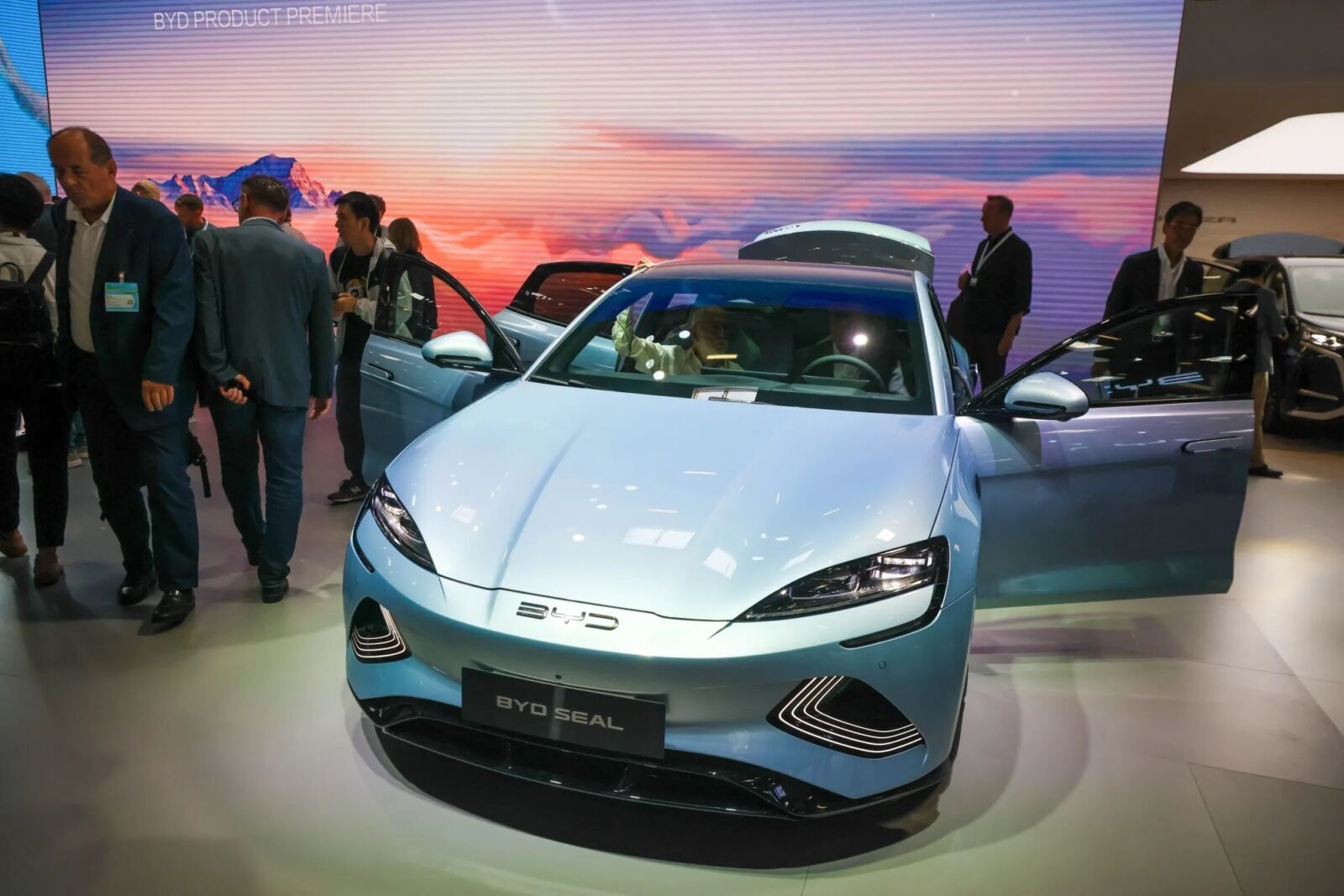
China’s EV (electric vehicle) industry is entering a new phase of development, where innovation extends far beyond the production of cars. Leading manufacturers are transforming into technology-driven companies, building ecosystems that integrate software, connectivity, and digital services into the broader mobility experience.
This shift reflects a deeper ambition: to redefine how users interact with vehicles in everyday life. Modern electric cars are increasingly designed as smart platforms, equipped with advanced operating systems, real-time data capabilities, and seamless connectivity. These features allow drivers to access navigation, entertainment, and vehicle diagnostics through unified interfaces that continue to evolve through over-the-air updates.
In addition to in car technology, many companies are investing heavily in complementary services. These include battery-swapping networks, autonomous driving research, and energy management solutions. By expanding into these areas, manufacturers are positioning themselves as full-service mobility providers rather than traditional automakers.
Another key development is the integration of vehicles into broader digital ecosystems. Electric cars are now being connected with smartphones, smart homes, and urban infrastructure. This level of integration creates a more personalized and efficient user experience, where transportation becomes part of a connected lifestyle rather than a standalone function.
The competitive landscape is also driving rapid innovation. As more companies enter the market, differentiation is no longer based solely on vehicle performance or price. Instead, success increasingly depends on the ability to deliver a cohesive ecosystem that adds value beyond the core product.
Global expansion plays a role in this evolution as well. Chinese EV makers are exploring international markets, bringing their technology first approach to new audiences. This expansion not only increases competition but also accelerates the adoption of advanced mobility solutions worldwide.
Despite the opportunities, challenges remain. Regulatory differences, data security concerns, and infrastructure limitations can influence how quickly these ecosystems scale across regions. However, the overall direction is clear: the future of electric mobility lies in integration, intelligence, and adaptability.
As the industry continues to mature, the transformation of Chinese EV companies highlights a broader trend shaping the global automotive sector. Vehicles are no longer just machines for transportation they are becoming dynamic platforms that connect technology, energy, and everyday life into a unified experience.